
Education
Cybersecurity education is the first step to keeping cyberthreats at bay. Learn about the KnowBe4 platform and other cybersecurity educational resources below.
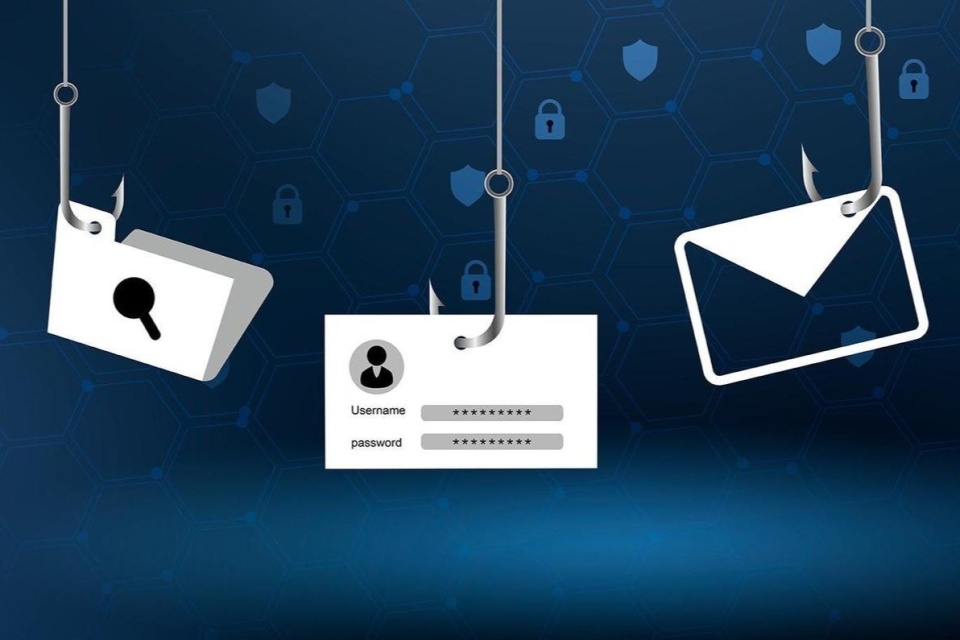
Report Phishing Through Outlook
Immediately report phishing and suspicious emails to your Institute account through Microsoft Outlook's 'Report Phishing' tool.

KnowBe4
KnowBe4 is the provider of the world’s largest security-awareness training and simulated phishing platform. Organizations -- including the University System of Georgia -- use KnowBe4 to educate end users on the importance of cybersecurity. Georgia Tech employees use the platform to complete the Institute's biannual compliance trainings. Employees can access optional learning material under the 'Library' tab in their KnowBe4 learner's dashboard. Access KnowBe4 at b.gatech.edu/KnowBe4.
AI and Phishing
This KnowBe4 module demonstrates how phishing is being upgraded with artificial intelligence and how to spot the signs to stay cybersafe.
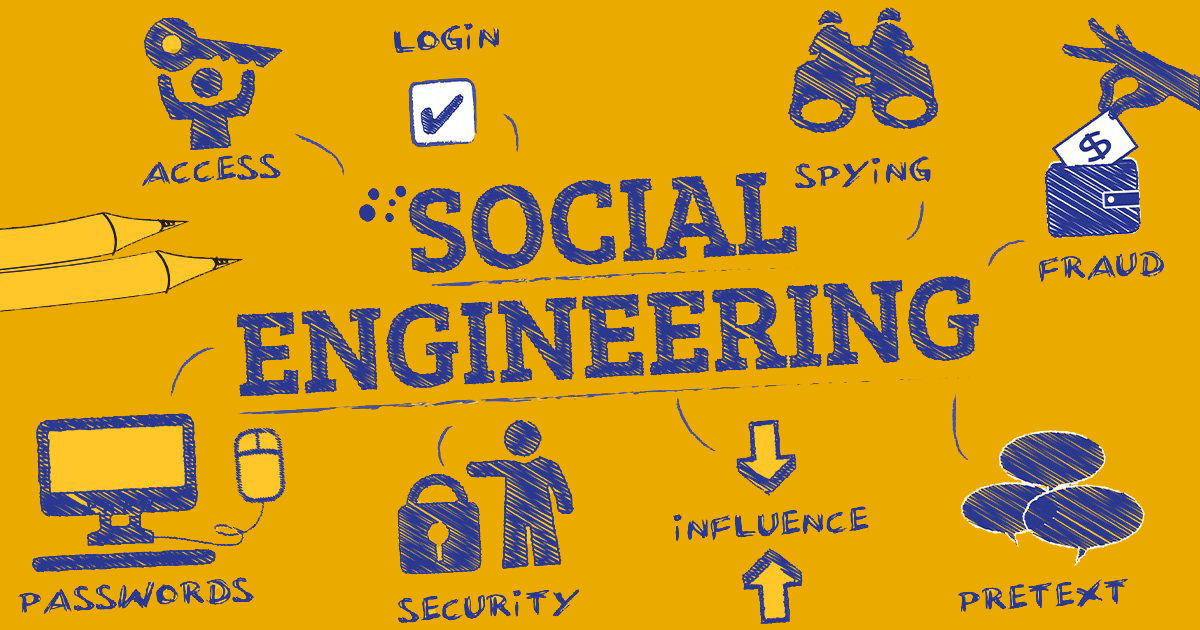
What is Social Engineering?
Social engineering uses psychological manipulation to trick users into making security mistakes or giving away sensitive information.
Are you staying vigilant against phishing attacks?
Cybersecurity breaches usually begin through phishing, a malicious email to trick an unknowing recipient into revealing passwords and other sensitive information. Report phishing through the Microsoft Outlook 'Report Phishing' tool and know how to spot phishing signs.
Dos & Don'ts
Here are key cybersecurity 'dos' and 'don’ts' to keep you and your information safe from cyberthreats at Georgia Tech.

DO
- DO immediately report phishing emails you receive through the Microsoft Outlook 'Report Phishing' tool.
- DO verify your two-factor authentication (2FA) notifications. Before accepting DUO phone calls or notifications, ensure that it has been initiated by you or someone you trust. If you receive unexpected or suspicious verification notifications, do not accept them.
- DO report cybersecurity incidents and if you suspect you are being targeted by a two-factor authentication scam or personal information breach to the OIT Security Operations Center at soc@gatech.edu.

DON'T
- DON'T reply to suspicious emails or text messages. Also, don't visit any links within the email or text message and do not forward suspicious messages to others.
- DON’T enter sensitive, protected, regulated or confidential data into an AI tool, no matter if it is approved for use at the Institute or not.
- DON'T provide personal information, account credentials, or verification codes over the phone, unless you are absolutely certain of the identity of the caller.
Protection
Learn how the Office of Information Technology is keeping cyberthreats at bay through two-factor authentication and the latest Institute AI guidance.
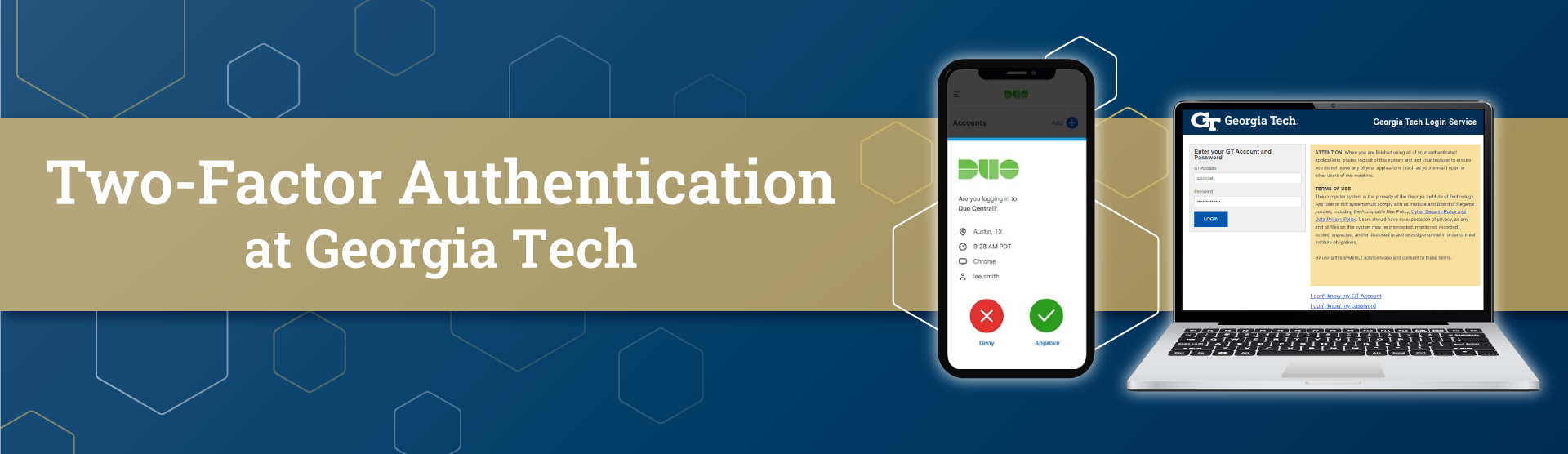
Two-Factor Authentication
As part of OIT's ongoing commitment to strengthen Georgia Tech’s defenses against cyber threats, students, faculty, and staff must use Duo or an approved multi-factor authentication method with Institute accounts.
(text and background only visible when logged in)